
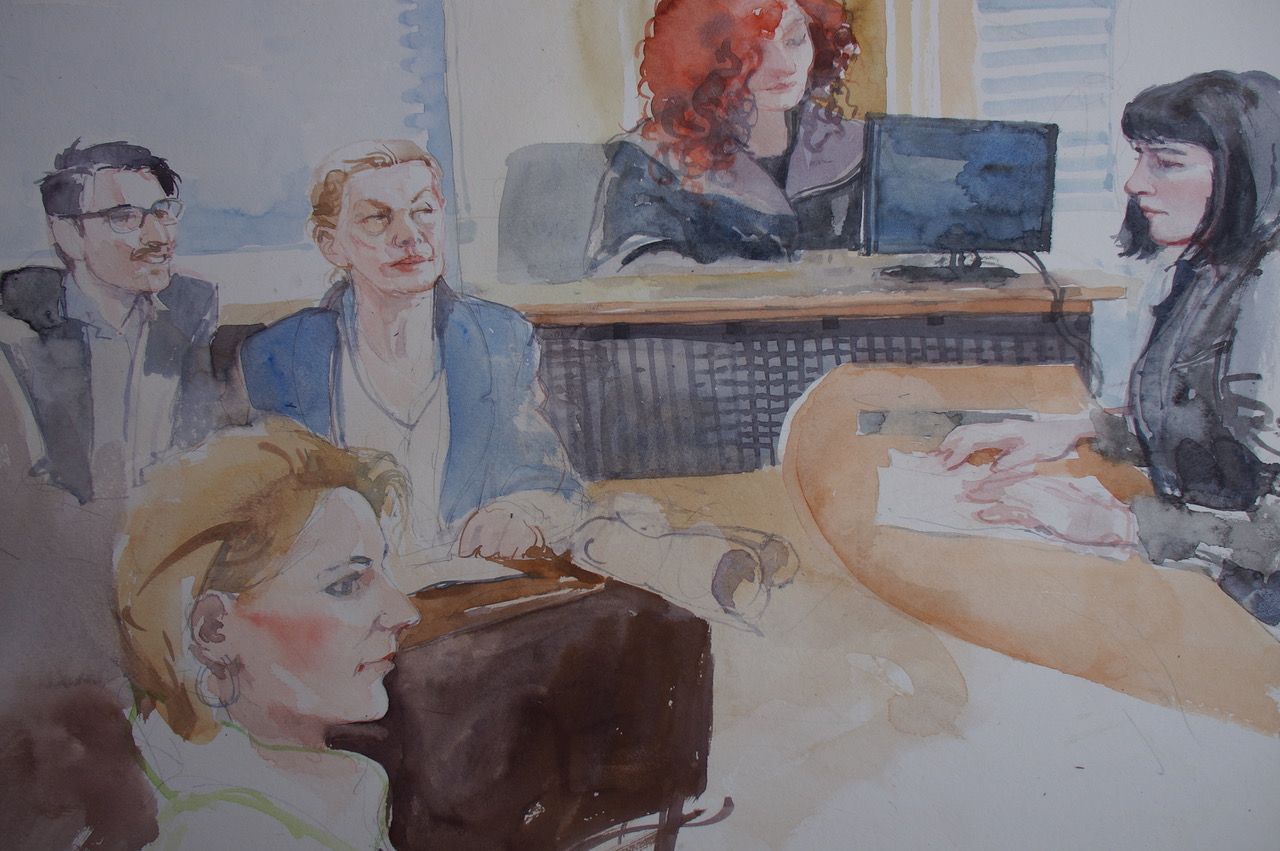
Die Besitzstörung
Anne Glassner
Diploma Summer 2016 – Hohenstaufengasse 9, 1010 Vienna
Webpage
Instagram
Book Sleeping
The theoretical starting point of the present work was the theme of the general legal system and the status of freedom of artistic practice within it. Due to her family background with a father who is a lawyer, Anne Glassner came into contact with problems of legal philosophy, such as the hierarchy of values in amendments to laws and the extent to which norm definitions are imposed from outside. The following core question crystallized, which then acted as the systematic guideline for all stages of the development process: What are the confines between the freedom of art and the legal provisions that make objective claims? The adopted artistic actions and strategies
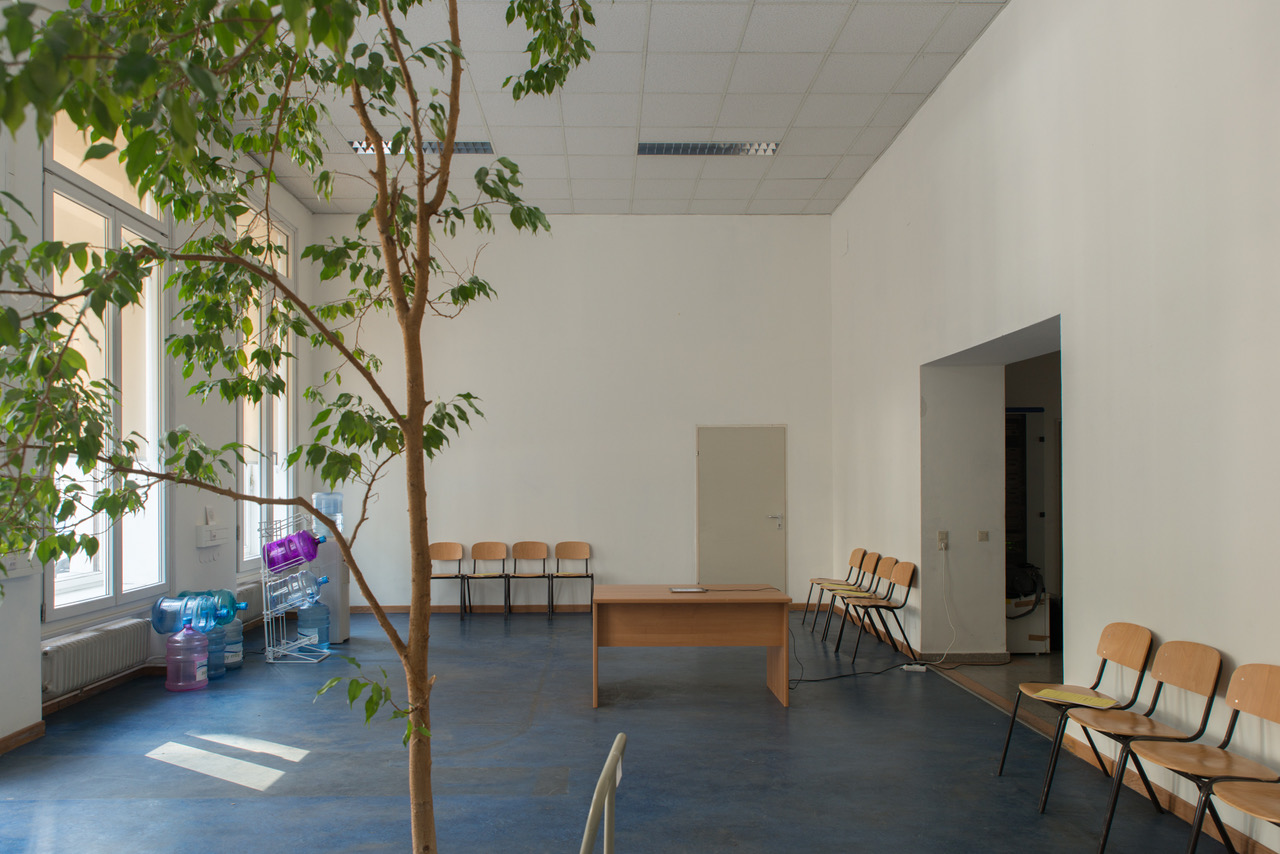
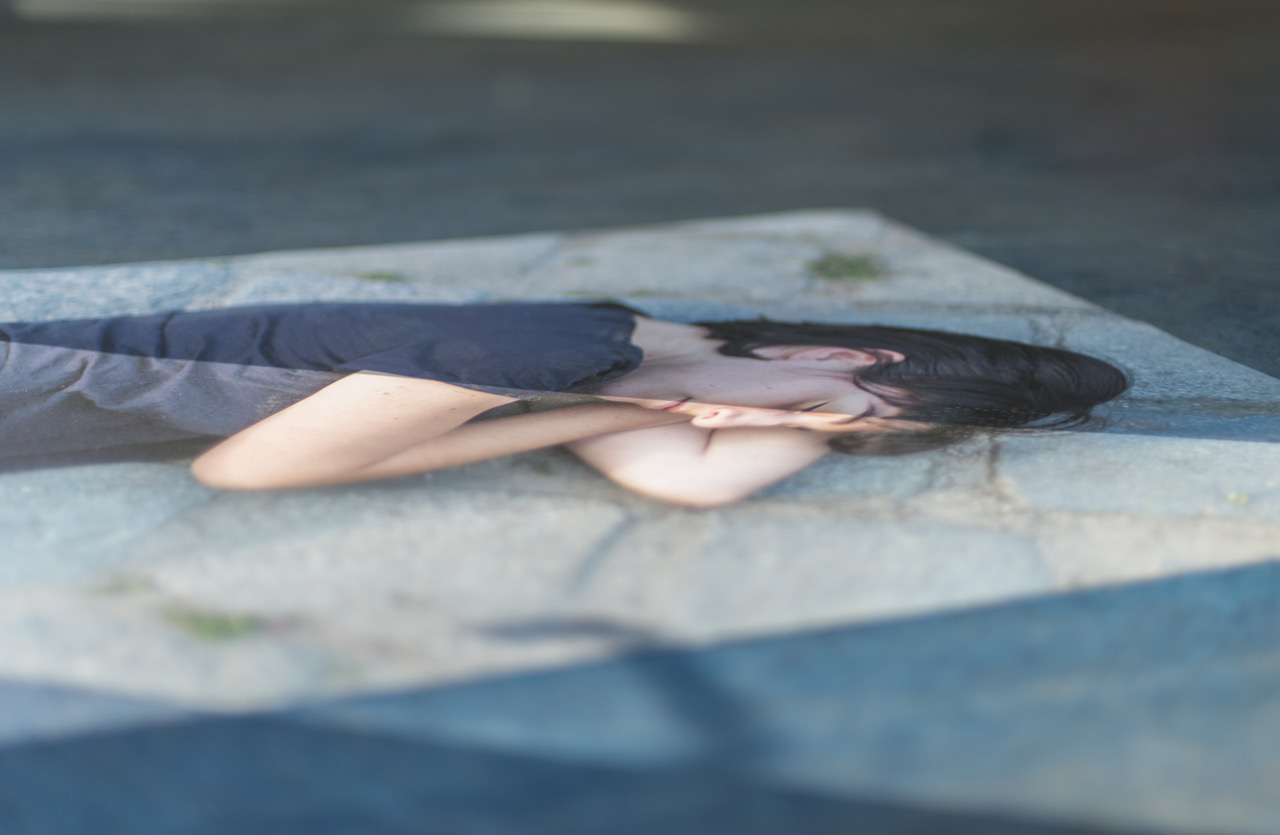
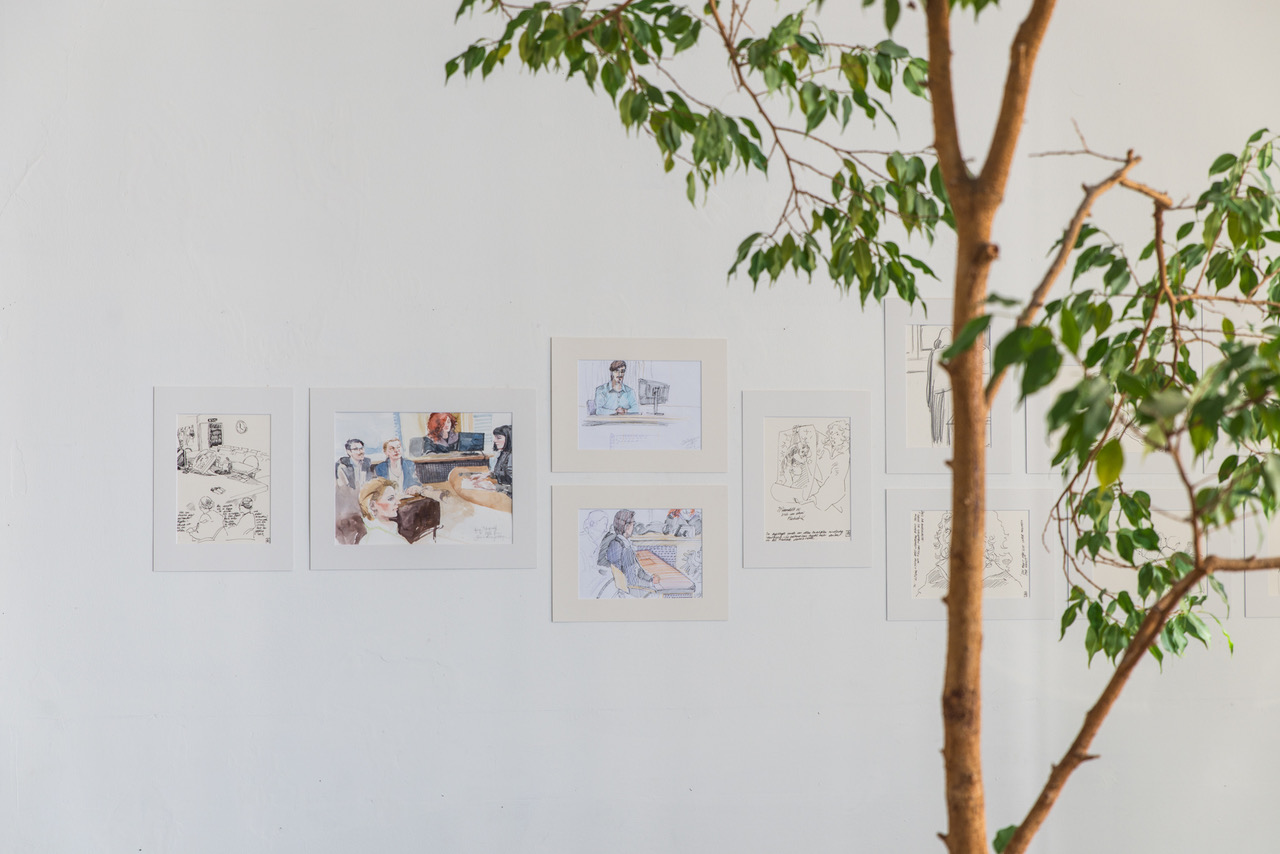
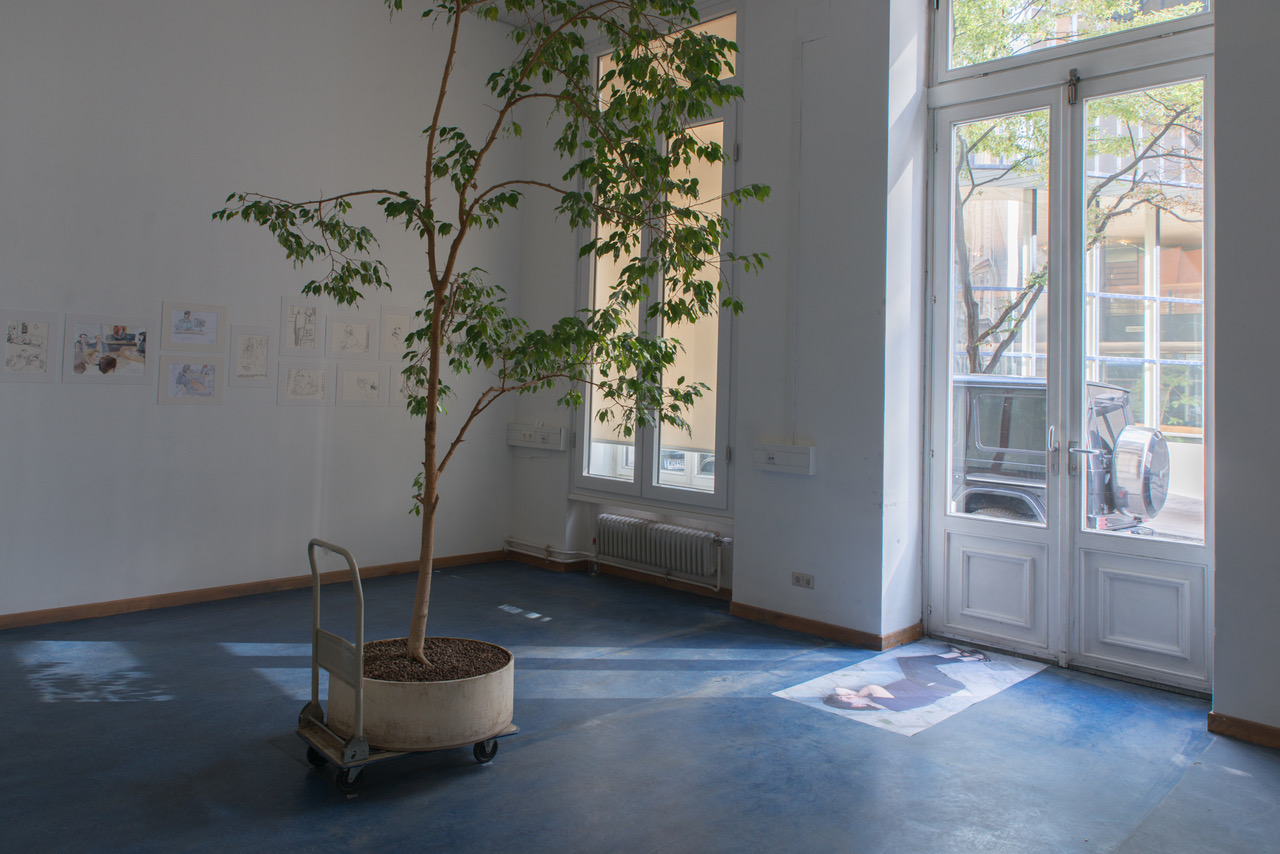
(intervention, performance, video, drawing, installation) were all aimed at clarifying concepts such as property, ownership, appropriation, rule, norm, system, authorship and originality. The choice of medium was determined by the respective context. A work in the Annenpassage in Graz was the starting point for the examination of this thematic area. In the 1970s, the passageway was considered Austria's third largest shopping street, but today it is mostly vacant. Anne Glassner wanted to use one of the abandoned stores in the Annenpassage for a performance and contacted the responsible property manager, but she did not get a reply. Nevertheless, she decided to realize the planned intervention in one of the vacant stores. She had a colleague photograph her sleeping in the street, and then positioned the resulting lifesize printed photo in the store window by inserting it through the door slit. With her "artistic" intervention in the Annenpassage, Anne Glassner committed an act of trespassing - (§ 339) versus (§ Art. 17a StGG) - from which a fictitious court case resulted. Both artistic freedom and trespassing are established laws. The court’s responsibility is to assess which accomplished fact falls into which of these two areas. The claim that this intervention must be assessed as an artistic act does not mean that this has no legal consequences for the artist. During the trial, the judge asked questions about the extent to which she disturbed the plaintiff, whether the intervention had occurred several times, and what the artist's intentions were.
(Text by Laura Steiner)
Photos: Susi Krautgartner